





Introduction to Cotton Types
Cotton, revered for its comfort and versatility, is an integral part of daily life, from clothing to healthcare and beyond. However, not all cotton is created equal. Two primary types of cotton exist: bleached cotton wool and regular cotton. Each offers unique attributes that are better suited to specific applications. This article delves into these types, shedding light on their properties, uses, and how to choose the right type for your needs.
Understanding Bleached Cotton Wool
● The Bleaching Process
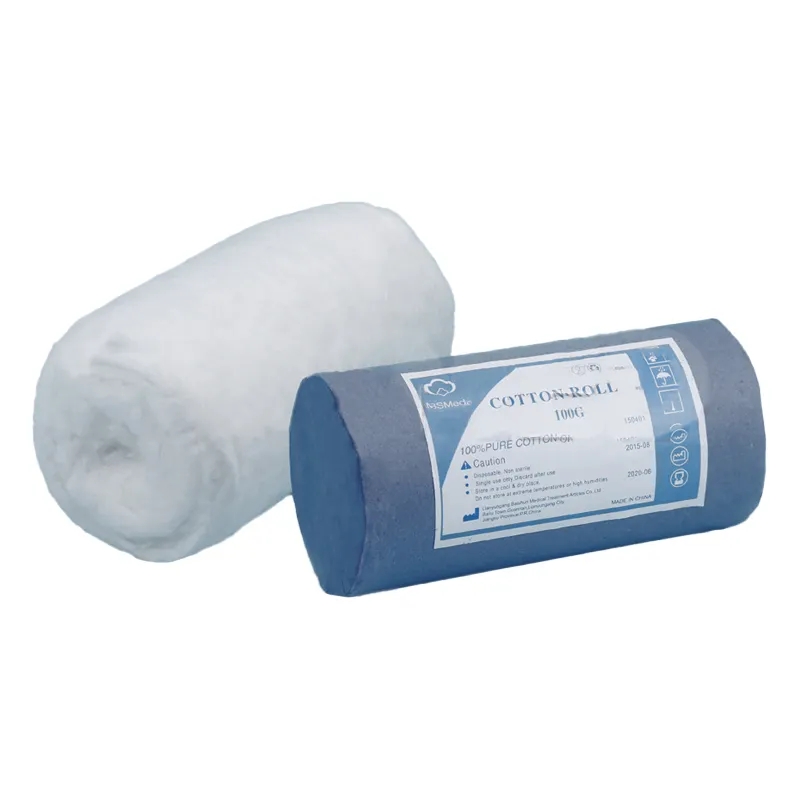
Bleached cotton wool undergoes a chemical process to remove natural color, impurities, and potential contaminants. This process involves treating the cotton with hydrogen peroxide or sodium hypochlorite to achieve a pristine white appearance. The result is a product with enhanced absorbency and a lower microbiological count, making it ideal for medical applications, beauty industries, and even household cleaning.
● Common Uses of Bleached Cotton
Due to its high absorbency and purity, bleached cotton wool is predominantly used in healthcare settings for wound care, swabbing, and surgical procedures. Its hypoallergenic nature also makes it suitable for cosmetic uses, such as makeup removal and skin cleansing. The consistent quality offered by wholesale bleached cotton wool suppliers, especially from China, ensures it meets the stringent standards required by these industries.
Examining Regular Cotton Properties
● Characteristics of Raw Cotton
Regular cotton, often referred to as raw or unbleached cotton, retains its natural color and impurities. It features a higher microbiological count than its bleached counterpart, influenced by environmental exposure during growth and harvesting. As a non-absorbent material in its natural state, regular cotton undergoes different processing methods to enhance its usability for various applications.
● Uses for Regular Cotton
Regular, unbleached cotton is commonly used in textiles, where its natural texture and durability are prized. It serves well in eco-friendly packaging materials, and agricultural industries for wraps and covers, given its biodegradability. Its aesthetic and organic appeal also caters to niche markets focused on sustainability, where genetically modified organism (GMO)-free cotton can be highly sought after.
Microbiological Differences in Cotton
● Microbiological Load in Raw Cotton
Raw, unbleached cotton carries a higher microbiological count due to its exposure to natural elements like soil and air during farming and harvesting. This microbial presence can include bacteria, mold, and yeasts, which are typically reduced or eliminated during the bleaching process. Thus, bleached cotton wool presents a safer option for medical and cosmetic uses where sterility is paramount.
● Implications for Hygiene and Safety
The bleaching process not only improves cotton's visual appeal but also enhances its hygienic properties by significantly reducing microbial loads. This makes bleached cotton a preferred choice in environments where stringent hygiene standards are necessary. For instance, bleached cotton wool manufacturers ensure their products meet international safety standards, providing peace of mind to users across various sectors.
Absorbency: Bleached vs. Regular Cotton
● Absorbency Differences
Bleached cotton wool is renowned for its superior absorbency, a result of the removal of natural oils and waxes that impair the absorption capacity in raw cotton. This makes it exceptionally effective in absorbing liquids quickly and efficiently, a crucial property for medical and cosmetic applications.
● Impact of Absorbency on Applications
The heightened absorbency of bleached cotton makes it indispensable in settings that require rapid and effective fluid management. For example, in surgical environments, bleached cotton wool's ability to absorb blood and other bodily fluids efficiently is crucial. Wholesale bleached cotton wool suppliers often highlight this characteristic when marketing their products to medical institutions and beauty industries.
Genetically Modified Organisms in Cotton
● Presence of GMO in Non-Organic Cotton
Non-organic regular cotton often contains genetically modified DNA, designed to improve crop yields and pest resistance. While this can benefit textile manufacturers by providing a more resilient raw material, it raises concerns among consumers who prefer natural and unaltered products.
● Impact of GMOs on Cotton Quality
The presence of GMOs has sparked debate over its impact on cotton quality and safety. Some argue that GMOs improve crop performance without compromising quality, while others assert the importance of natural, organic alternatives. For those seeking GMO-free options, trusting a reputable bleached cotton wool supplier is crucial, as these suppliers ensure their product sourcing aligns with consumer preferences for organic materials.
Organic Cotton: A Safer Alternative?
● Benefits of Organic Cotton
Organic cotton, grown without synthetic fertilizers or pesticides, offers a safer, eco-friendly alternative to conventional cotton. Its lack of harmful chemicals makes it a preferred choice for sensitive applications, such as baby clothing and eco-conscious brands.
● Comparison to Non-Organic Cotton
While organic cotton provides environmental benefits and peace of mind for health-conscious consumers, it may come with a higher price tag due to more costly farming practices. Nonetheless, its appeal is growing among those prioritizing sustainability and health, prompting many bleached cotton wool factories to incorporate organic options into their production lines.
Environmental Impact of Cotton Processing
● Environmental Concerns with Bleaching
The bleaching process, while effective in improving cotton's appearance and performance, raises environmental concerns due to the chemicals involved. These can contribute to water pollution if not managed properly. Consequently, responsible bleached cotton wool manufacturers are investing in greener technologies and practices to minimize ecological footprints.
● Sustainability Considerations for Regular Cotton
Regular cotton's environmental impact largely depends on cultivation practices, including water and pesticide usage. Sustainable farming methods and certifications, like Fair Trade and Global Organic Textile Standard (GOTS), are becoming more prevalent, encouraging cotton suppliers to adopt eco-friendly practices.
Choosing the Right Cotton for Your Needs
● Factors to Consider
When selecting between bleached and regular cotton, consider factors such as intended use, absorbency needs, and environmental impact. For medical or cosmetic purposes, bleached cotton's sterilized nature and high absorbency make it the superior choice. However, for those valuing ecological and chemical-free products, organic regular cotton offers an appealing alternative.
● Applications Best Suited for Each Type
Bleached cotton excels in applications requiring sterility and absorbency, making it ideal for medical, cosmetic, and household uses. Conversely, regular cotton is well-suited for textiles, eco-friendly packaging, and agriculture. Tailoring your choice to specific needs ensures optimal performance and satisfaction.
Conclusion: Making an Informed Cotton Choice
In conclusion, understanding the differences between bleached cotton wool and regular cotton is essential in making an informed decision. Each type offers distinct benefits tailored to particular uses. Whether you prioritize hygiene, absorbency, or sustainability, choosing a reliable bleached cotton wool supplier or opting for organic regular cotton aligns with your specific needs. China bleached cotton wool suppliers and manufacturers provide a wide range of options, catering to diverse requirements and ensuring access to quality products at competitive prices.
● About Olelon Technology
Olelon Technology is a leader in manufacturing and trading, specializing in Roller Track, Lean Pipe, PP Product, Cotton, and more. With over twenty years of experience, our expertise in Storage Equipment ensures we deliver top-quality products tailored to client needs. Utilizing advanced equipment and skilled personnel, Olelon Technology is committed to excellence, offering customizable solutions and professional design support.
Post time: 2025-04-16 17:48:04