





Understanding Custom Conveyor Roller Orders
The landscape of material handling equipment is ever-evolving, and the demand for custom conveyor rollers is increasingly prevalent. Businesses across various industries seek solutions that go beyond standard models, requiring tailored designs and features to meet specific operational needs. Understanding how manufacturers handle these custom orders is vital for businesses aiming to optimize their conveyor systems.
Initial Consultation and Needs Assessment
Listening to Client Requirements
Before diving into the design and manufacturing process, the first step for any conveyor roller manufacturer is a thorough consultation with the client. This stage involves open discussions to understand the client's specific requirements, operational challenges, and desired outcomes. It's essential for the manufacturer to listen carefully to the client's needs to develop a comprehensive understanding of the project scope.
Site Visits and Operational Analysis
Often, the consultation process includes site visits to observe the existing systems in action. This allows manufacturers to gain insights into the facility layout, space constraints, and the types of materials being handled. Such visits help in assessing the potential integration of custom rollers into the existing systems and determining the necessary modifications.
Design and Engineering Process
Creating Tailored Solutions
Once the needs assessment is complete, manufacturers move on to the design and engineering phase. This involves crafting custom solutions that align with the client's operational processes and goals. Engineers utilize advanced software to create detailed designs, ensuring that the new rollers will fit seamlessly into the client's conveyor system.
Utilizing Advanced Technology
Incorporating cutting-edge technology is crucial in this phase. Computer-aided design (CAD) and simulations are often employed to predict the performance of the custom rollers within the client's setup. This technology helps in refining the design, minimizing errors, and ensuring that the final product meets the client's specifications.
Material Selection for Custom Rollers
Choosing the Right Materials
The selection of materials is a critical aspect of manufacturing custom conveyor rollers. Depending on the application, different materials such as stainless steel, aluminum, or PVC may be chosen. Each material comes with its benefits and limitations; for example, stainless steel offers durability and resistance to corrosion, ideal for harsh environments.
Impact on Performance and Durability
Choosing the right material affects the roller's performance and longevity. Manufacturers consider factors such as load capacity, temperature resistance, and chemical exposure during the selection process. The goal is to enhance the roller's efficiency while ensuring it can withstand the rigors of its operating environment.
Manufacturing Process and Quality Control
Precision Manufacturing Techniques
With the design and material decided, the manufacturing process begins. Precision is key, as even minor deviations can affect the performance of conveyor rollers. Manufacturers employ state-of-the-art machinery and processes to maintain high standards of accuracy and consistency.
Ensuring Quality Assurance
Quality control is integral throughout the manufacturing process. Manufacturers implement rigorous testing protocols to ensure each roller meets the required standards. This includes checking for dimensions, surface finish, and mechanical properties. Quality assurance procedures help maintain reliability and safety in the final product.
Installation and Integration Challenges
Overcoming Space and Compatibility Issues
Integrating custom rollers into existing systems can present challenges, particularly related to space constraints and compatibility with current equipment. Manufacturers often work closely with the client to address these issues, ensuring that the new rollers are aligned correctly and operate smoothly within the system.
Training and Support
Beyond installation, manufacturers provide training and ongoing support to clients. This helps ensure that the client's team can operate and maintain the new rollers effectively, maximizing the benefits of the custom solution.
Partnering with Specialized Manufacturers
Finding the Right Supplier
Choosing a specialized conveyor roller supplier is crucial for successful custom orders. Clients should look for manufacturers with a proven track record of handling complex projects and delivering high-quality products. A reliable supplier will offer comprehensive services, from initial consultation to after-sales support.
Benefits of Specialized Expertise
Partnering with a specialized manufacturer offers access to industry-leading innovations and techniques. These suppliers are more likely to have the necessary expertise and resources to deliver tailored solutions that enhance productivity and efficiency in material handling operations.
Advantages of Custom Conveyor Rollers
Optimizing System Performance
Custom conveyor rollers significantly enhance system performance by offering solutions tailored to specific operational needs. They help optimize workflow, reduce downtime, and improve overall efficiency. Custom rollers are designed to handle unique challenges, making them indispensable for complex material handling tasks.
Long-term Cost Benefits
Investing in custom rollers can result in substantial long-term cost savings. By improving system performance and reducing maintenance requirements, businesses can lower operational costs and increase the lifespan of their conveyor systems.
Case Studies and Success Stories
Real-world Applications
Several industries have successfully implemented custom conveyor rollers to tackle unique challenges. For instance, one manufacturing facility utilized custom rollers to improve the precision and speed of their assembly line. This resulted in increased production capacity and reduced waste.
Lessons Learned
These success stories highlight the importance of collaboration between manufacturers and clients. Open communication and a clear understanding of objectives are crucial for developing solutions that deliver tangible benefits.
Future Trends in Custom Conveyor Roller Manufacturing
Embracing Technological Advancements
The future of conveyor roller manufacturing is set to embrace new technologies and materials. Innovations such as IoT integration and advanced robotics will enable manufacturers to create even more efficient and adaptive systems.
Sustainability and Eco-friendly Solutions
Sustainability is becoming increasingly important, prompting manufacturers to develop eco-friendly materials and processes. This trend will likely lead to the creation of more sustainable and energy-efficient conveyor roller systems in the coming years.
Olelon Technology Provide Solutions
Olelon Technology pioneers in offering comprehensive solutions for custom conveyor rollers, capitalizing on innovative designs and cutting-edge technology. Our commitment to quality ensures that each roller is crafted to meet specific client needs, optimizing performance and extending operational lifespan. We provide tailored services, from consultation and design to manufacturing and integration, ensuring a seamless fit with existing systems. Partner with us to benefit from expert guidance, precision engineering, and unparalleled customer support, all aimed at enhancing your material handling capabilities and achieving superior operational efficiency.
User hot search: conveyor rollers manufacturers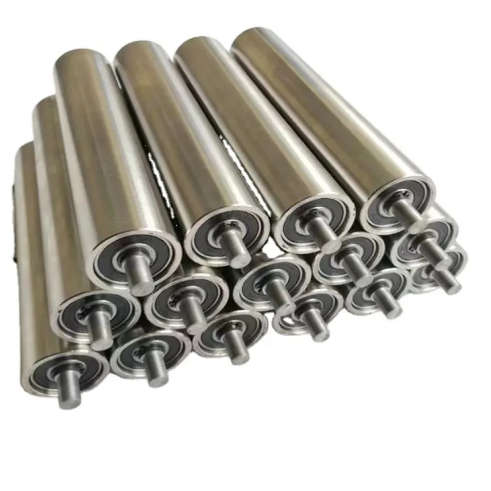
Post time: 2025-08-16 17:54:05