





Introduction to roller ball transfers in Manufacturing
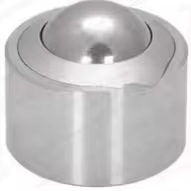
Roller ball transfers play a crucial role in modern manufacturing environments, offering effective solutions for material handling challenges. These devices are essential in many industrial settings, providing consistent movement of goods across various platforms. Their omnidirectional capability is particularly valued, enabling easy transfer in any direction with minimal friction. Consequently, roller ball transfers are indispensable in manufacturing for enhancing productivity and efficiency.
Enhancing Conveyor System Efficiency with Ball Transfers
The Role of Ball Transfers in Conveyor Systems
Conveyor systems serve as the backbone of manufacturing operations, and integrating ball transfers can significantly optimize their performance. By allowing seamless transition of items between different sections or machines, ball transfers reduce handling time and resource requirements. This integration helps manufacturers and suppliers maximize throughput and minimize bottlenecks.
Quantitative Impact on Conveyor Systems
Incorporating ball transfers into conveyor systems can increase efficiency by approximately 20-30%. This improvement is primarily due to reduced downtime and enhanced handling speed. The ability to manage heavier loads than traditional conveyors allows manufacturers to handle diverse product types, ultimately boosting capacity and revenue.
Streamlining Assembly Lines with Roller Ball Transfers
Boosting Assembly Line Productivity
Assembly lines benefit greatly from the integration of roller ball transfers, which facilitate rapid positioning and orientation of components. This capability reduces cycle time, enhancing overall productivity by up to 15%. As a result, manufacturers can produce more units within the same timeframe, improving scalability and profitability.
Reduction of Errors and Product Damage
By ensuring accurate alignment and orientation of items during assembly, ball transfers help decrease error rates. This precision leads to a reduction in defective products and associated costs. The minimization of handling errors also contributes to improved customer satisfaction, a key performance indicator for any supplier.
Facilitating Material Handling in Loading Docks
Efficient Loading and Unloading Processes
Loading docks often face the challenge of rapidly moving goods to and from trucks. Roller ball transfers simplify this process by enabling quick and efficient transfers without the need for extensive manual labor. The result is a streamlined operation that enhances turnaround times and reduces labor costs.
Load Capacity and Speed
Ball transfers are built to handle substantial loads, often exceeding traditional rollers' capacity by 50%. This robust capability ensures that suppliers can manage a wide range of cargo efficiently, maintaining the flow of goods and optimizing supply chain operations.
Military and Heavy-load Applications of Ball Transfers
Supporting Military Logistics
In military settings, roller ball transfers are vital for handling heavy equipment and supplies. They facilitate the rapid movement of cargo, ensuring logistics operations are conducted smoothly and effectively. This capability is essential for the timely support of military missions, where efficiency is paramount.
Handling Heavy Loads with Precision
The use of ball transfers in handling equipment exceeding several tonnes allows for precise maneuverability, crucial in military applications. These transfers support the transportation of critical equipment with minimal effort, ensuring precision and safety in high-stress environments.
Role in Cold Storage and Food Processing
Applications in Food Processing Facilities
In food processing, maintaining hygiene and efficiency is critical. Ball transfers facilitate the movement of products with minimal contact, reducing contamination risks. This feature is especially beneficial in wholesale food distribution, ensuring products are handled safely and efficiently.
Performance in Low-temperature Environments
Ball transfers operate effectively in extreme temperatures, including cold storage areas. Their design minimizes wear and ensures smooth operation, maintaining transfer efficiency even at sub-zero temperatures. This reliability supports suppliers focused on frozen goods and perishable items.
Optimizing Air Cargo and Logistics with Transfer Units
Integrating Ball Transfers in Air Cargo Operations
Air cargo requires efficient ground operations to maintain tight schedules. Roller ball transfers expedite the movement of unit load devices (ULDs) on cargo aircraft, reducing loading and unloading times by as much as 25%. This efficiency is crucial for airlines maintaining punctual schedules.
Ensuring Cargo Stability and Safety
During air transit, stability is vital. Ball transfers facilitate the exact positioning of cargo, ensuring secure placement during flights. This precision reduces the risk of cargo shift, essential for maintaining aircraft balance and safety.
Innovations in Customized Workstations
Customizable Solutions for Diverse Applications
Manufacturers demand workstations that can adapt to varied production tasks. Roller ball transfers offer customizable options, supporting different load types and sizes. This adaptability ensures that production lines can evolve with changing demands, supporting innovation and flexibility.
Ergonomics and Worker Safety
Ball transfers enhance workstation ergonomics by reducing the physical strain on workers. By minimizing the effort needed to move heavy objects, they promote safer working conditions, reducing injury rates and associated costs for suppliers.
Versatility in Diverse Industrial Applications
Supporting a Range of Industrial Operations
The versatility of roller ball transfers makes them applicable across various sectors, from automotive and aerospace to pharmaceuticals. Their ability to handle diverse products and materials makes them a valuable asset for any manufacturer seeking efficient material handling solutions.
Parameters for Selection
When selecting ball transfers, consider factors such as load capacity, environmental conditions, and frequency of use. These parameters ensure that the chosen solution aligns with operational requirements, optimizing performance and cost-effectiveness for suppliers.
Key Considerations in Selecting Ball Transfer Units
Assessing Load and Environmental Conditions
Determining the appropriate ball transfer involves assessing the weight of items to be moved and the operating environment. For heavy-duty uses, robust materials such as steel are preferred to ensure durability and longevity.
Supplier Selection and Customization Needs
Choosing the right supplier is equally important. Opt for manufacturers with a reputation for quality and the capability to provide customized solutions that meet specific industrial needs. This ensures the equipment will perform reliably under expected operational conditions.
Olelon Technology Provide Solutions
Olelon Technology offers comprehensive solutions tailored to meet the unique demands of manufacturing environments. Our advanced roller ball transfer units are designed for maximum efficiency and durability, reducing handling time and associated costs. By partnering with us, manufacturers gain access to cutting-edge technology that enhances operational effectiveness and safety. Our commitment to quality and innovation ensures that our solutions meet the high standards required in today's competitive industrial landscape. Contact Olelon Technology to learn how our products can optimize your workflow and improve your bottom line.
Post time: 2025-07-23 16:24:02