





Industrial roller tracks are an essential component in various industries, designed to facilitate efficient material handling and transportation. This comprehensive article will delve into their applications, benefits, and the technological advancements that make them indispensable.
Introduction to Industrial Roller Tracks
Industrial roller tracks are versatile tools used mainly for the transportation and handling of materials in various industrial settings. They play a crucial role in enhancing operational efficiency, reducing manual labor, and improving safety standards across multiple sectors. From manufacturing plants to warehouses, these roller tracks streamline processes and optimize workflows.
● Importance in Material Transportation
Industrial roller tracks are the backbone of material transportation systems. They facilitate the smooth and efficient movement of goods, minimizing the need for manual handling and reducing the risk of damage. By providing a reliable and consistent means of transport, roller tracks significantly improve the speed and efficiency of operations.
● Common Industries Using Roller Tracks
Various industries rely on industrial roller tracks to enhance their material handling capabilities. These include:
- Manufacturing: For moving raw materials and finished products along assembly lines.
- Warehousing: For efficient storage and retrieval of goods.
- Food and Beverage: To transport perishables safely and efficiently.
- Pharmaceuticals: For the secure handling of drugs and medical supplies.
- Automotive: To move parts and assemblies through production processes.
Basic Design and Mechanism
Understanding the design and mechanism of industrial roller tracks is essential to appreciate their functionality and versatility.
● Gravity-Based Operation
One of the simplest forms of roller tracks operates on gravity. These tracks are set at a slight incline, allowing materials to move under their weight. Gravity-based roller tracks are cost-effective and require minimal maintenance, making them ideal for applications where power may not be readily available.
● Simple and Robust Construction
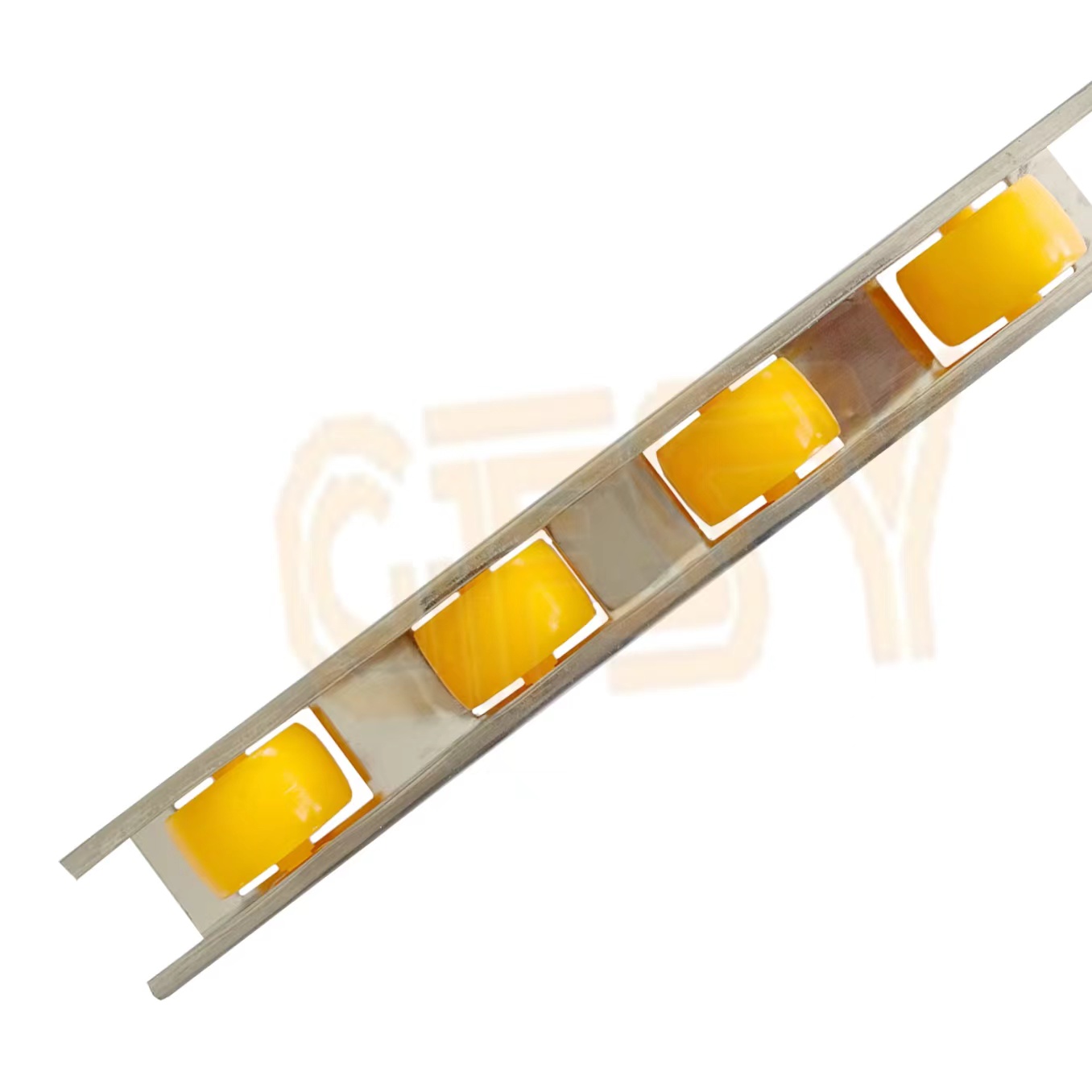
Industrial roller tracks are typically constructed from durable materials such as steel or aluminum. The basic design includes cylindrical rollers mounted on axles or shafts, supported by a sturdy frame. This simple yet robust construction ensures reliability and longevity, even in demanding industrial environments.
Applications in Warehouses
In warehouse settings, industrial roller tracks play a pivotal role in optimizing storage and retrieval processes.
● Streamlining Product Movement
Roller tracks streamline product movement within warehouses, reducing the time and effort required to transport goods from one location to another. This leads to faster order fulfillment and improved overall efficiency.
● Reducing Manual Handling
By automating material handling processes, roller tracks minimize the need for manual intervention. This not only reduces labor costs but also decreases the risk of injuries associated with heavy lifting and repetitive tasks.
Use in Distribution Centers
Distribution centers benefit greatly from the implementation of industrial roller tracks.
● Efficient Order Fulfillment
Roller tracks enhance the efficiency of order fulfillment processes by facilitating the quick and accurate movement of products. This is particularly beneficial in high-volume distribution centers where speed and precision are critical.
● Enhancing Packing and Shipping Processes
The use of roller tracks in packing and shipping areas ensures smooth and organized workflows. Products can be easily transported to packing stations and then to shipping areas, reducing bottlenecks and improving throughput.
Benefits of Gravity Roller Tracks
Gravity roller tracks offer several advantages that make them a popular choice in many industrial applications.
● Cost Savings on Electricity
Since gravity-based roller tracks do not require an external power source, they contribute to significant energy savings. This makes them an environmentally friendly and cost-effective solution for material handling.
● Minimal Maintenance Requirements
The simplicity of gravity roller tracks means they require minimal maintenance. With fewer moving parts and no reliance on electrical components, these tracks are easy to maintain and have a long operational lifespan.
Customization Options
Industrial roller tracks can be customized to meet the specific needs of different industries and applications.
● Adjustable Track Lengths and Widths
Roller tracks can be designed with adjustable lengths and widths to accommodate various product sizes and shapes. This flexibility ensures that the tracks can be tailored to fit the unique requirements of any operation.
● Material Compatibility
Various materials can be handled efficiently using customized roller tracks. Whether transporting delicate items or heavy-duty materials, roller tracks can be designed to provide the necessary support and protection.
Safety Features and Considerations
Safety is a critical consideration in industrial environments, and roller tracks are equipped with various features to ensure safe operation.
● Preventing Accidents and Product Damage
Roller tracks are designed with safety in mind, incorporating features such as side guards and emergency stop mechanisms. These features help prevent accidents and protect both workers and products from damage.
● Best Practices for Safe Operation
Implementing best practices for the safe operation of roller tracks is essential. Regular maintenance checks, proper training for operators, and adherence to safety guidelines can significantly reduce the risk of accidents.
Comparing to Powered Roller Systems
While gravity roller tracks offer numerous benefits, powered roller systems provide additional capabilities for handling heavier loads and complex automation requirements.
● Cost and Energy Efficiency
Powered roller systems require an external power source, which can lead to higher energy costs. However, they offer greater efficiency in handling heavier and bulkier materials, making them suitable for specific applications.
● Operational Differences
Powered roller systems can be integrated with automated control systems to achieve precise material handling. This allows for greater flexibility and efficiency in operations where manual handling is not feasible.
Installation and Setup
Proper installation and setup are crucial to maximizing the benefits of industrial roller tracks.
● Easy Assembly and Integration
Most industrial roller tracks are designed for easy assembly and integration into existing material handling systems. Modular designs and standardized components simplify the installation process.
● Initial Setup Tips for Optimal Performance
To ensure optimal performance, it is essential to follow the manufacturer's guidelines for installation and setup. This includes proper alignment, securing all components, and conducting initial performance tests.
Future Trends and Innovations
The field of industrial roller tracks is continuously evolving, with new trends and innovations enhancing their capabilities.
● Technological Advancements
Advancements in materials science and engineering are leading to the development of more durable and efficient roller tracks. Innovations such as lightweight yet robust materials and advanced coating technologies are improving the performance and longevity of roller tracks.
● Sustainable Materials and Design Improvements
The focus on sustainability is driving the adoption of eco-friendly materials and design improvements in industrial roller tracks. Manufacturers are exploring ways to reduce the environmental impact of their products, including the use of recycled materials and energy-efficient manufacturing processes.
Conclusion
Industrial roller tracks are indispensable tools in various industrial settings, offering numerous benefits in terms of efficiency, safety, and cost savings. From warehouses to distribution centers, their applications are vast and varied. With ongoing advancements in technology and a focus on sustainability, the future of industrial roller tracks is bright.
About Olelon
We are a leading manufacturer and trading company in the business of Roller Track, Lean Pipe, Lean Pipe rack, PP Product, Cotton, Canvas Bag, and other parts for Storage Equipment. Most of our products can be customized. With over twenty years of experience in Storage Equipment, we always focus on Quality, Prices, and Service. Our technical team can even design new products according to the sketches from clients and output professional CAD or 3D drawings.
Post time: 2024-11-25 14:47:07