





Introduction to Steel Roller tracks
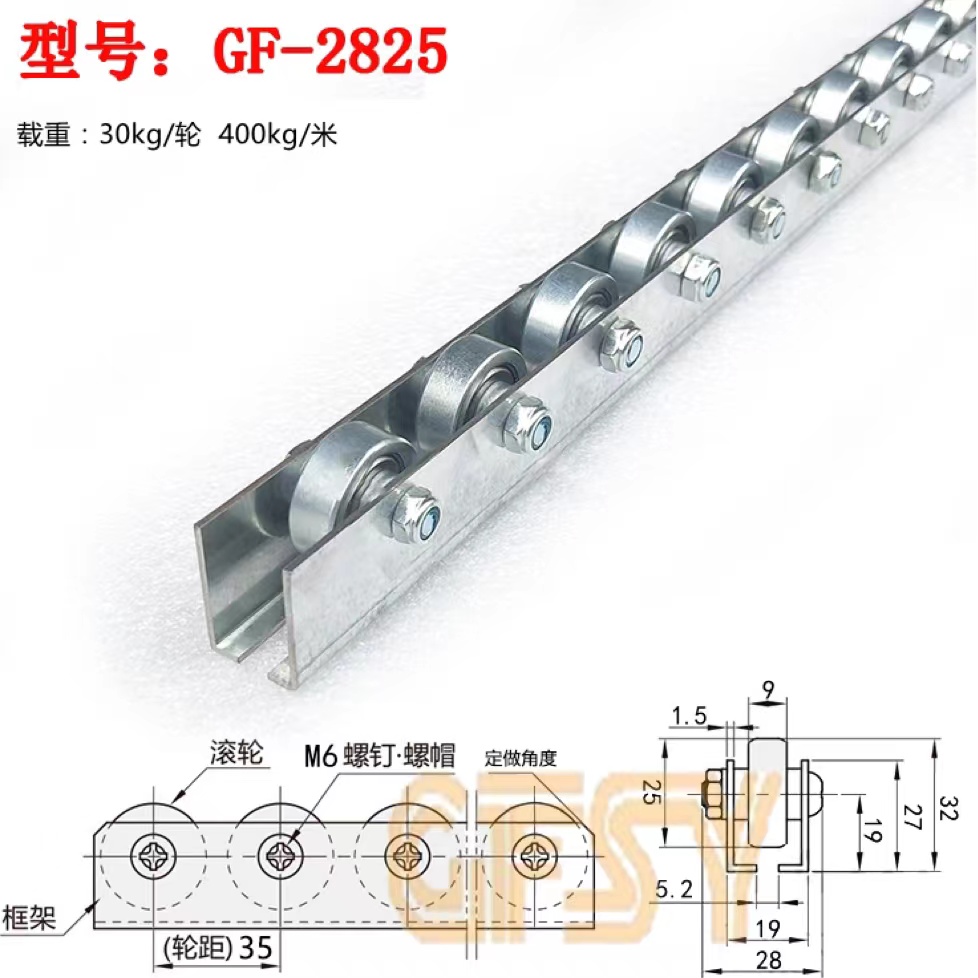
Steel roller tracks are indispensable components in various industrial settings, facilitating the seamless movement of goods and materials. These tracks, typically comprising steel rollers mounted on a frame, are designed to reduce friction and enhance the efficiency of material handling processes. Understanding their applications, components, and benefits is crucial for industries aiming to optimize their workflow and productivity.
Components of Steel Roller Tracks
● Rollers
The primary component of a steel roller track is the roller itself. These are cylindrical elements, often made of high-strength steel, designed to rotate freely. The rollers minimize friction, making it easier to move heavy items with minimal effort.
● Frames and Supports
The frame serves as the backbone of the roller track, holding the rollers in place. It needs to be sturdy and durable, typically made from steel or aluminum, to support the weight of the transported goods.
● Bearings and Brackets
Bearings are crucial for the smooth operation of the rollers, reducing wheel resistance and wear. Brackets secure the rollers and bearings to the frame, ensuring stability and alignment during operation.
Types of Steel Roller Tracks
● Fixed Roller Tracks
Fixed roller tracks have a static configuration, best suited for applications where the path of movement is consistent and unchanging. These are ideal for straightforward, linear transport routes.
● Adjustable Roller Tracks
Adjustable roller tracks offer the flexibility to modify the track layout according to changing requirements. This adaptability makes them suitable for dynamic work environments where the workflow might vary.
● Curved vs. Straight Tracks
Curved tracks are designed for applications needing directional changes, whereas straight tracks provide linear movement. Depending on the facility’s layout, one might use a combination of both to optimize space and efficiency.
Advantages of Using Steel Roller Tracks
● Durability and Strength
Steel roller tracks are known for their robustness, able to withstand heavy loads and harsh industrial conditions. This durability ensures a long service life, reducing replacement and maintenance costs.
● Flexibility in Various Applications
The versatility of steel roller tracks allows them to be used in numerous industries, from manufacturing to warehousing. Their ability to handle different weights and sizes of materials makes them a universal solution for material handling.
● Low Maintenance Costs
Steel roller tracks require minimal maintenance due to their simple yet effective design. Regular lubrication and occasional inspections are typically sufficient to keep them in optimal working condition.
Industrial Applications of Steel Roller Tracks
● Manufacturing and Production Lines
In manufacturing, steel roller tracks streamline the movement of raw materials and finished products along the production line. This enhances the efficiency and speed of production processes, reducing downtime and increasing output.
● Warehousing and Distribution Centers
Warehouse operations benefit from steel roller tracks by facilitating the quick and efficient movement of goods. This reduces manual handling, minimizing labor costs and risks of injury.
● Assembly Lines
In assembly lines, steel roller tracks allow for the smooth transfer of components between workstations. This integration helps maintain a consistent workflow, ensuring that each assembly stage receives materials promptly.
Efficiency and Productivity Enhancement
● Speeding Up the Transportation of Goods
Steel roller tracks significantly boost the speed at which goods are transported within a facility. The reduced friction and smooth movement mean that goods can be moved quickly, enhancing overall productivity.
● Reducing Manual Labor
By automating the transportation process, steel roller tracks reduce the dependency on manual labor. This not only lowers labor costs but also minimizes the risk of workplace injuries associated with heavy lifting and manual transport.
● Enhancing Workflow and Process Integration
Steel roller tracks integrate seamlessly into existing workflows, facilitating better process management and coordination. This improved integration ensures that all operational components work harmoniously, boosting overall efficiency.
Installation and Maintenance Requirements
● Steps for Proper Installation
Installing steel roller tracks involves careful planning and precision. The track must be aligned correctly to ensure smooth operation. Proper installation starts with a solid foundation, followed by the secure attachment of frames and rollers.
● Routine Inspections and Common Issues
Regular inspections are vital to identify wear and tear or potential issues like misalignment or roller damage. Timely intervention during inspections can prevent minor issues from escalating into major disruptions.
● Tips for Extending Service Life
To maximize the longevity of steel roller tracks, regular maintenance practices like lubrication of rollers, tightening of bolts and brackets, and keeping the track clean and free from debris are essential.
Safety Considerations
● Preventing Accidents and Injuries
Steel roller tracks should include safety features like guardrails and safety stops to prevent accidents. Ensuring the path is clear of obstructions and that the weight limits are not exceeded also enhances safety.
● Safety Features and Guidelines
Incorporating safety switches, emergency stop mechanisms, and clearly marked safety zones around roller tracks can help in preventing accidents. Adhering to safety guidelines and protocols is crucial for safe operation.
● Training for Workers and Operators
Proper training for workers and operators on the safe use of steel roller tracks is essential. This includes understanding weight capacities, operating speeds, and emergency procedures to handle any unexpected situations.
Customization Options
● Tailoring to Specific Industrial Needs
Steel roller tracks can be customized to meet the unique requirements of different industries. This includes modifications in roller size, frame material, and track length to suit specific operational needs.
● Material and Size Variations
Depending on the application, roller tracks can be made from different materials, such as stainless steel for corrosive environments or high-density plastic for lighter loads. Customizing the size of rollers and frames ensures they fit perfectly within the existing setup.
● Additional Features Like Brakes or Sensors
Adding features like brakes for controlled stopping or sensors for automation and monitoring can enhance the functionality and safety of steel roller tracks. These additions make the system more adaptable and efficient.
Future Developments in Steel Roller Track Technology
● Innovations and Emerging Trends
The field of steel roller tracks is constantly evolving, with innovations aimed at improving efficiency and versatility. Developments in materials science, such as stronger, lighter alloys, and advanced manufacturing techniques, are paving the way for next-generation roller tracks.
● Integration with Automation and AI
The integration of steel roller tracks with automated systems and artificial intelligence is a growing trend. These advancements enable smarter, more efficient material handling processes, reducing human intervention and increasing precision.
● Future Market Outlook and Potential Advancements
The demand for steel roller tracks is expected to grow, driven by the increasing need for efficient material handling solutions. Future advancements may include more sophisticated sensor technologies, enhanced durability, and greater customization options to meet the evolving needs of industries.
Conclusion
Steel roller tracks play a crucial role in modern industrial and warehousing operations, providing an efficient, cost-effective solution for material handling. Their durability, flexibility, and low maintenance requirements make them an invaluable asset in optimizing workflows and increasing productivity. As technology advances, steel roller tracks will continue to evolve, offering even greater efficiencies and capabilities for various industrial applications.
---
● About Olelon
Olelon is a leading manufacturer and trading company specializing in roller tracks, lean pipes, lean pipe racks, PP products, cotton, canvas bags, and other parts for storage equipment. With over twenty years of experience, Olelon focuses on quality, prices, and service. Equipped with advanced machinery and a skilled technical team, Olelon can customize products to meet client specifications, ensuring outstanding quality and professionalism.
Post time: 2024-11-13 13:39:04