





● Introduction to Flow rail rollers
Flow rail rollers are crucial components in modern logistics and manufacturing systems. They are designed to facilitate the smooth movement of goods in various types of conveyor systems, thus optimizing efficiency and productivity in warehouses and factories. Understanding what a flow rail roller is can help you make informed decisions when selecting components for your material handling needs.
● Components of a Roller Flow Rail
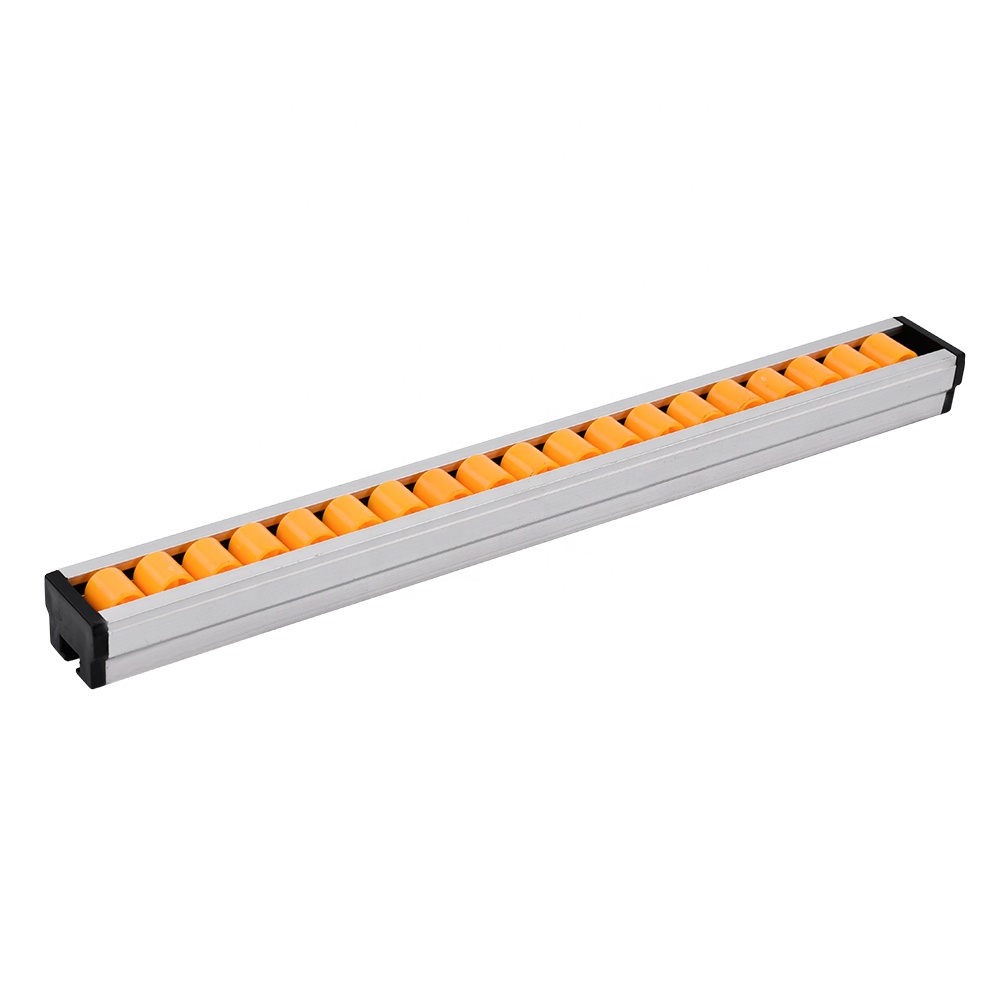
Flow rail rollers are composed of several key elements that allow them to perform effectively. These include the rollers themselves, which can be made from plastic or steel, and the channels to which these rollers are attached. The quality and reliability of these components are vital for ensuring that the flow rail system operates smoothly and efficiently. The materials used in the construction of flow rail rollers are often selected for their durability and resistance to wear and tear.
● Types of Roller Flow Rails
There are different types of roller flow rails, each suited for specific applications. Roller flow rails are commonly compared with skate wheel and ball transfer rails. While all three types are utilized for material movement, roller flow rails are particularly advantageous for handling heavier loads. Understanding the differences and specific use cases can help you choose the right type for your needs. For example, roller flow rails are typically used in situations where items need to be moved in a linear direction over longer distances.
● Weight Capacity of Roller Flow Rails
Weight capacity is a critical factor when selecting flow rail rollers. The load capabilities can vary significantly based on the design and materials of the rollers. Recognizing the importance of weight capacity in selection ensures that the roller flow rail can handle the intended load without failure. Overloading a flow rail system can lead to mechanical failures, causing downtime and increasing maintenance costs. Therefore, understanding the weight capacity requirements for your specific application is essential.
● Installation of Roller Flow Rails
Installing roller flow rails involves several steps that need to be carefully followed to ensure optimal performance. This includes mounting the rails on flow racks, ensuring they are properly aligned, and securely fastened. Key considerations during installation include the type of items being transported, the load they will carry, and the overall layout of the flow rail system. Proper installation is crucial for the system's long-term performance and reliability.
● Applications of Roller Flow Rails
Roller flow rails are used in a variety of industries, including manufacturing, warehousing, and retail. They are particularly suited for applications involving the handling of heavy items such as pallets, crates, and large boxes. Examples of items typically conveyed using roller flow rails include automotive parts, consumer goods, and industrial machinery components. The versatility and efficiency of roller flow rails make them an indispensable part of many material handling systems.
● Benefits of Using Roller Flow Rails
The use of roller flow rails offers several benefits, including improved efficiency, enhanced safety, and increased reliability. Roller flow rails can significantly speed up the process of moving goods through a facility, reducing manual labor and the potential for workplace injuries. Additionally, the robust construction of roller flow rails ensures that they can handle heavy loads with minimal maintenance, providing long-term cost savings.
● Maintenance of Roller Flow Rails
Regular maintenance is essential for ensuring the longevity and optimal performance of roller flow rails. This includes routine checks for wear and tear, lubrication of moving parts, and the replacement of damaged components. Common issues that may arise include misalignment of rollers, accumulation of debris, and wear on the rollers themselves. Implementing a preventative maintenance program can help extend the lifespan of the flow rail system and minimize downtime.
● Innovations in Roller Flow Rails
The field of material handling is continually evolving, with recent technological advancements significantly influencing roller flow rail designs. Innovations such as improved materials, better lubrication systems, and enhanced load-bearing capabilities are some of the trends driving the future of roller flow rails. These innovations aim to improve efficiency, reduce maintenance needs, and increase the overall reliability of the systems.
● Conclusion and Summary
In summary, flow rail rollers are essential components for efficiently moving goods in various industries. Understanding their components, types, weight capacities, installation requirements, and applications can help you select the best system for your needs. The numerous benefits, including improved efficiency and reliability, make roller flow rails a valuable investment. Regular maintenance and staying abreast of the latest innovations in the field can further enhance the performance and longevity of your flow rail system.
● About Olelon
We are a leading manufacturer and trading company in the business of Roller Track, Lean Pipe, Lean Pipe rack, PP Product, Cotton, Canvas Bag, and other parts for Storage Equipment. Most of our products can be customized. With over twenty years of experience in Storage Equipment, we always focus on Quality, Prices, and Service. To keep serving our valuable clients with outstanding quality, we introduced advanced equipment, including Stamping Machine, Cutting Machine, CNC, etc. We also keep employing employees with rich experience in this industry. Our technical team can even design new products according to the sketches from clients and output professional CAD or 3D drawings.
Post time: 2024-10-20 11:06:02