





Introduction to Plastic Turnover Boxes
Plastic Turnover Boxes, essential in modern industrial and commercial operations, serve as versatile solutions for transporting and storing goods. Known for their robustness and ease of handling, these containers are indispensable across various sectors, including logistics, agriculture, and retail. As the demand for efficiency and reliability grows, the utilization of Plastic Turnover Boxes from prominent manufacturers, suppliers, and factories underscores their significance in the global market.
Definition and Purpose of Plastic Turnover Boxes
● What Are Plastic Turnover Boxes?
Plastic Turnover Boxes are durable containers designed for efficient handling, storage, and transportation of products. They are widely known for their adaptability, as they can be customized to fit specific industrial needs. Often, they are referred to as logistics boxes due to their predominant use in supply chain operations.
● Common Uses in Various Industries
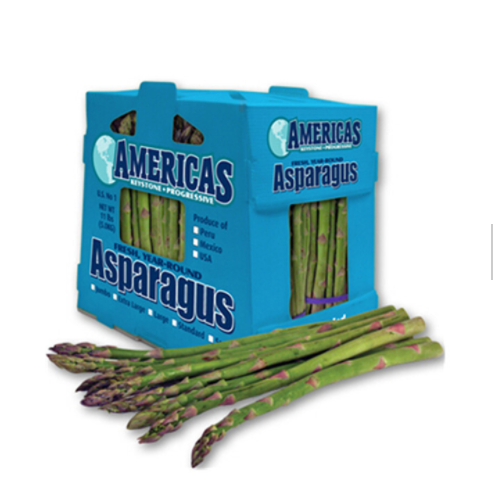
These boxes play a crucial role in multiple industries. In agriculture, they are used to transport fruits and vegetables safely. In retail, they facilitate the movement of goods from warehouses to store shelves. The adaptability of these boxes makes them a preferred choice for any operation requiring reliable and reusable packaging solutions.
Materials Used in Plastic Turnover Boxes
● Types of Plastics Used
Most Plastic Turnover Boxes are made from high-quality polymers such as polypropylene and polyethylene. These materials are selected for their excellent balance of toughness, resistance to impact, and chemical resistance, which are essential for maintaining the integrity of the stored products.
● Characteristics of Shatterproof Plastics
The shatterproof nature of these materials ensures that the boxes can withstand rough handling and harsh environmental conditions. This characteristic not only guarantees the protection of the contents but also extends the lifespan of the boxes, offering a cost-effective solution for industries.
Design and Construction Features
● Structural Design Elements
The design of Plastic Turnover Boxes focuses on durability and operational efficiency. This includes reinforced corners and stacking capabilities to optimize space in storage and transport environments. The design also incorporates features like ventilation holes, which are necessary for applications like agricultural produce.
● Importance of Stackability and Space Efficiency
One of the distinguishable features of these boxes is their stackability. Plastic Turnover Box manufacturers emphasize designs that allow for efficient stacking without compromising stability. This space-saving feature is vital for maximizing storage and reducing logistical costs.
Advantages of Using Plastic Turnover Boxes
● Benefits Over Other Storage Solutions
Compared to cardboard or wooden boxes, Plastic Turnover Boxes offer unparalleled advantages. They are more resilient to damage, weatherproof, and easier to sanitize. This makes them ideal for industries that require stringent hygiene standards, such as food processing and pharmaceuticals.
● Ensuring Product Safety and Reducing Damage
The robust construction of these boxes minimizes the risk of spillage or breakage during transport. This reliability ensures that products reach their destinations in pristine condition, thereby reducing loss and increasing customer satisfaction.
Applications in Different Sectors
● Use in Logistics and Supply Chain Management
Plastic Turnover Boxes are integral to logistics operations, providing a reliable means of transporting goods. Their uniform shape and size facilitate easy stacking on pallets and in vehicles, streamlining the supply chain processes.
● Role in Agriculture, Manufacturing, and Retail
In agriculture, these boxes help in the collection and transportation of fresh produce. Manufacturing plants use them to organize components during assembly processes, while retail outlets rely on them for efficient stock handling. The versatility of these boxes makes them a staple in varied operational settings.
Environmental Impact and Recycling Potential
● Recyclability of Plastic Turnover Boxes
One of the significant advantages of Plastic Turnover Boxes is their recyclability. After reaching the end of their lifecycle, these boxes can be recycled to produce new plastic products, reducing environmental impact and contributing to sustainability efforts.
● Innovations in Eco-friendly Materials and Designs
Plastic Turnover Box factories are increasingly exploring eco-friendly material options, such as biodegradable plastics, to address environmental concerns. These innovations reflect the industry's commitment to sustainability and reducing carbon footprints.
Customization and Specialized Designs
● Options for Customized Sizes and Features
Many Plastic Turnover Box manufacturers offer customization to suit specific needs. This can include variations in size, color, and features such as lids or handles to enhance functionality and user convenience.
● Integration with Labels and RFID Tags
For enhanced logistics tracking, these boxes can be fitted with labels and RFID tags, which facilitate efficient inventory management and real-time tracking of goods throughout the supply chain.
Cost-effectiveness and Economic Benefits
● Comparison with Traditional Packaging Solutions
In contrast to disposable packaging options, Plastic Turnover Boxes provide significant economic benefits due to their durability and reusability. Investing in these boxes results in long-term cost savings by reducing the need for frequent replacements.
● Long-term Savings from Durability and Reusability
Their long service life means that businesses face lower operational costs over time. This cost efficiency, coupled with the boxes' reliability, makes them a smart investment for companies aiming to optimize their supply chain budgets.
Challenges and Limitations
● Potential Downsides and Environmental Concerns
Despite their benefits, the production of plastic boxes raises concerns about environmental impact. As demand grows, there's an increased need for responsible manufacturing practices to reduce waste and improve recyclability.
● Limitations in Extreme Conditions
Another challenge is that while these boxes are robust, they have limitations under extreme conditions, such as excessive weight or exposure to very high temperatures. Understanding these limitations is essential for optimizing their use.
Future Trends in Plastic Turnover Box Industry
● Technological Advancements and Smart Features
The future of Plastic Turnover Boxes is promising, with potential advancements including smart features like IoT connectivity for real-time tracking and monitoring. These innovations could revolutionize supply chain logistics, offering greater efficiency and transparency.
● Predictions for Growth and Innovation
As industries continue to evolve, the need for efficient, reliable, and sustainable packaging solutions will drive the demand for Plastic Turnover Boxes. Manufacturers and suppliers are expected to innovate continually, providing more advanced and tailored products to meet emerging market needs.
Conclusion
In summary, Plastic Turnover Boxes offer versatile, durable, and cost-effective solutions for various industries seeking efficient storage and transport options. As technology evolves and environmental concerns grow, the industry will continue to innovate to meet the changing needs of businesses worldwide.
Company Introduction: Olelon
Olelon, a leader in the manufacturing and trading sector, specializes in Roller Track, Lean Pipe racks, PP Products, and more for storage equipment. With over 20 years of expertise, Olelon focuses on quality, price, and service to deliver customized solutions. Utilizing advanced equipment and a skilled workforce, our technical team excels in designing new products tailored to client specifications. Olelon's commitment to quality and innovation positions it as a trusted partner in storage equipment solutions.
Post time: 2025-01-15 18:17:06