





Introduction to bleached cotton
Bleached cotton, often overlooked in discussions about textiles, plays a critical role in a variety of applications, from medical supplies to everyday fabrics. This process involves purifying raw cotton to remove impurities and contaminants, rendering it safe and effective for use. Understanding bleached cotton, its processing, and its applications can offer valuable insights into its importance and the meticulous care involved in its production.
● Definition of Bleached Cotton
Bleached cotton refers to raw cotton that has undergone a thorough purification process to remove natural impurities such as waxes, pectins, and other contaminants. This is typically achieved through a process known as bleaching, which significantly improves the cotton's absorbency, cleanliness, and aesthetic appeal.
● Importance of Cotton Purification
Purified cotton is essential in applications where safety, hygiene, and absorbency are paramount. This includes medical supplies, feminine hygiene products, baby wipes, and numerous other nonwoven applications. The purification process ensures that the cotton is free from harmful microorganisms and other contaminants that could pose health risks.
Historical Background of Cotton Bleaching
● Early Methods of Cotton Purification
The practice of bleaching cotton dates back centuries, with early methods relying on sunlight and natural agents like buttermilk and sour milk. These primitive techniques laid the groundwork for more sophisticated methods developed in the modern era.
● Evolution of Modern Bleaching Techniques
Today, bleaching involves advanced chemical processes that are much more efficient and environmentally friendly. Modern techniques have evolved to minimize environmental impact while maximizing the purity and safety of the final product. One such method is the totally chlorine-free (TCF) bleaching process, which uses hydrogen peroxide instead of traditional chlorine-based bleaches.
The Bleaching Process Explained
● Detailed Steps Involved in Bleaching
The bleaching process begins with the raw cotton being thoroughly cleaned to remove dirt and debris. It then undergoes a series of chemical treatments that break down and remove natural pigments and impurities. The cotton is soaked in a bleaching solution, typically hydrogen peroxide, which serves to whiten and purify the fibers.
● Common Chemicals Used, Such as Hydrogen Peroxide
Hydrogen peroxide is the preferred bleaching agent in modern cotton purification processes. It is a simple compound made of hydrogen and oxygen, known for its effectiveness in removing impurities without the harsh environmental impact associated with chlorine-based bleaches.
Purpose of Cotton Bleaching
● Eliminating Hazardous Molds and Fungi
One of the primary purposes of bleaching cotton is to eliminate harmful molds and fungi that may be present in the raw fibers. These contaminants can pose serious health risks, particularly in medical and hygiene applications.
● Removal of Bacteria and Other Contaminants
In addition to molds and fungi, the bleaching process also effectively removes bacteria and other potentially harmful microorganisms. This ensures that the cotton is safe for use in products that come into direct contact with human skin.
Impact on Cotton Quality and Appearance
● Changes in Texture and Color
Bleaching not only purifies cotton but also significantly alters its texture and color. The process removes natural pigments, resulting in a bright white appearance that is often associated with purity and cleanliness. Additionally, the cotton fibers become softer and more pliable, enhancing their usability in a wide range of products.
● Enhancing Durability and Usability
Purified cotton is more durable and absorbent than its unbleached counterpart. These qualities are particularly important in applications requiring high levels of performance, such as medical dressings and hygiene products. The bleaching process improves the cotton's ability to absorb liquids, making it more effective in these demanding applications.
Environmental Considerations in Bleaching
● Potential Environmental Impact
Traditional bleaching methods, particularly those involving chlorine, can have significant environmental impacts. These processes release harmful chemicals into the environment, contributing to pollution and ecological damage. It is essential to consider these impacts when selecting a bleaching method.
● Eco-Friendly Bleaching Alternatives
Modern bleaching techniques, such as TCF bleaching with hydrogen peroxide, offer a more environmentally friendly alternative. These methods significantly reduce the release of harmful chemicals and are safer for both the environment and the workers involved in the manufacturing process. As a result, they are increasingly being adopted by bleached cotton manufacturers and suppliers committed to sustainability.
Health and Safety Benefits of Bleached Cotton
● Reduction of Health Risks from Contaminants
Bleached cotton is thoroughly purified, reducing the presence of harmful contaminants such as bacteria, fungi, and molds. This is particularly important in medical and hygiene applications, where the presence of these contaminants could lead to serious health issues.
● Improved Safety for End-Users
The rigorous purification process ensures that bleached cotton is safe for direct contact with human skin. This is particularly important for products used by vulnerable populations, such as infants and individuals with compromised immune systems.
Industrial Applications of Bleached Cotton
● Use in Medical and Hygiene Products
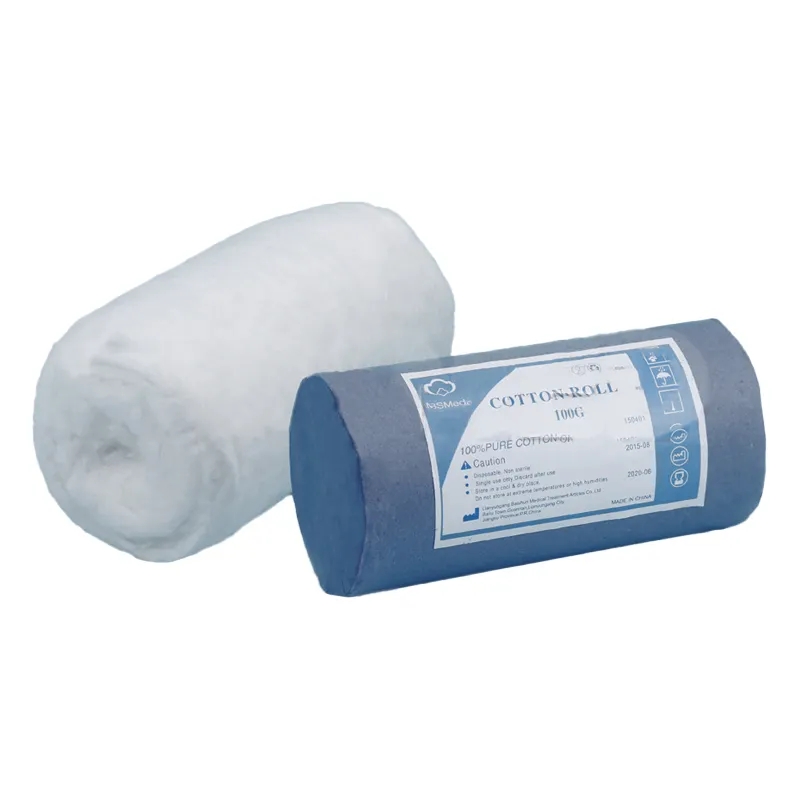
Bleached cotton is widely used in the production of medical supplies, such as gauze, bandages, and surgical masks. Its high absorbency and purity make it ideal for these applications. Additionally, it is used in feminine hygiene products, baby wipes, and other personal care items where safety and cleanliness are paramount.
● Application in Everyday Textiles and Garments
Beyond medical and hygiene products, bleached cotton is also used in everyday textiles and garments. Its clean, white appearance and soft texture make it a popular choice for clothing, bed linens, and towels. Wholesale bleached cotton suppliers often provide materials for these applications, ensuring a steady supply of high-quality cotton.
Consumer Awareness and Preferences
● Market Demand for Bleached Cotton Products
Consumers increasingly demand products that are safe, hygienic, and environmentally friendly. This has led to a growing market for bleached cotton products. Bleached cotton manufacturers and factories are responding to this demand by developing and promoting eco-friendly bleaching processes and high-quality cotton products.
● Understanding Consumer Choices and Concerns
Consumers today are more informed and concerned about the safety and environmental impact of the products they use. They seek transparency from manufacturers and suppliers about the bleaching processes used and the safety of the final products. It is crucial for manufacturers to address these concerns and provide clear information about their production methods.
Future Trends in Cotton Bleaching
● Innovations in Bleaching Technology
The future of cotton bleaching is likely to see further innovations that improve efficiency, reduce environmental impact, and enhance the quality of the final product. Researchers and industry experts are continually exploring new methods and technologies to achieve these goals.
● Sustainable Practices and Future Directions
Sustainability will continue to be a significant focus in the cotton bleaching industry. Companies are adopting more sustainable practices, from sourcing raw materials to choosing eco-friendly bleaching agents. The commitment to sustainability is expected to drive further advancements and set new standards in the industry.
Conclusion
In conclusion, bleached cotton is a vital component in various industries, thanks to its purity, absorbency, and safety. The bleaching process, particularly when using environmentally friendly agents like hydrogen peroxide, ensures that the cotton is safe for use in medical, hygiene, and everyday applications. As consumer awareness and demand for sustainable products grow, the industry is likely to see further innovations and improvements in bleaching technology.
About Olelon Technology
Olelon Technology is a leading manufacturer and trading company specializing in Roller Track, Lean Pipe, Lean Pipe rack, PP Product, Cotton, Canvas Bag, and other parts for Storage Equipment. With over twenty years of experience, Olelon Technology focuses on quality, prices, and service. The company boasts advanced equipment and highly skilled employees, ensuring top-notch quality and customer satisfaction. The state-of-the-art production facilities and continuous innovation enable Olelon Technology to meet the highest standards and deliver outstanding value to its partners worldwide. Your success is always Olelon Technology's vision.
Post time: 2024-09-06 15:38:03