





Introduction to Ball transfer units
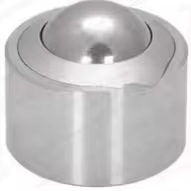
Ball transfer units (BTUs) are an essential component in material handling systems, offering omnidirectional movement that facilitates the easy and efficient transport of goods. With the increasing demand for customized solutions in various industries, BTUs have evolved to meet unique operational requirements. This article delves into the different facets of BTUs, emphasizing their adaptability and customization potential, especially for wholesale applications in China with diverse suppliers.
Customization Needs in Material Handling
Understanding Industry-Specific Requirements
In industries such as manufacturing, logistics, and warehousing, the need for specialized handling equipment is paramount. Custom ball transfer units accommodate unique industry requirements, such as high load capacities or specific environmental conditions. For example, in automotive assembly, BTUs must endure heavy loads, while in a food processing plant, stainless steel units may be required to resist corrosion.
Customization for Efficiency and Precision
The necessity for customization is driven by a need to optimize efficiency and precision. Adapting BTUs to fit specific conveyor systems or workstations ensures smoother operations and increased productivity. Custom units can be designed to handle heavier objects than standard BTUs, with load capacities ranging from 50 lbs (22.68 kg) to over 500 lbs (226.8 kg), ensuring they meet specific operational needs.
Benefits of Custom Ball Transfer Units
Enhanced Performance and Longevity
Custom-built BTUs provide enhanced performance by precisely matching the unit’s specifications to the application. This alignment reduces wear and tear, extending the life of the units and minimizing maintenance costs. Additionally, customized units can incorporate advanced features like sealed covers for protection in dusty environments, ensuring longevity and reliability.
Improved Safety and Ergonomics
Safety and ergonomics are critical considerations in material handling. Customized BTUs can be designed to reduce manual handling, preventing worker injuries and enhancing workplace safety. Ergonomically designed units also allow for smoother material flow, reducing strain on workers and improving overall operational efficiency.
Material Choices in Custom Ball Transfers
Selection of Materials for Diverse Applications
Material selection is crucial in customizing BTUs, with options including stainless steel, carbon steel, and plastic. Each material offers specific benefits; for example, stainless steel provides resistance to corrosion, making it ideal for humid or chemical environments. Understanding material properties ensures the BTUs meet specific requirements, such as load capacity, environmental resistance, and cost efficiency.
Impact on Cost and Durability
The choice of material significantly impacts both the cost and durability of BTUs. Stainless steel, while more expensive, offers unparalleled durability in corrosive environments, while plastic components can provide cost-effective solutions for lighter loads. Bulk buying from suppliers, especially in China, can also influence pricing structure, making it essential to balance material choice with budget constraints.
Design Flexibility for Bespoke Applications
Tailoring Designs for Specific Industries
BTUs can be tailored to fit specific industry applications, with various design options available, such as different ball sizes, housing shapes, and load capacities. This flexibility allows industries like aviation and electronics to integrate BTUs that align with their unique processes, ensuring precise handling and transport of sensitive components.
Integration with Existing Systems
Custom BTUs should seamlessly integrate with existing systems, whether they are conveyor belts, workstations, or material handling equipment. This integration is achieved through precise design adjustments, such as mounting options and spacing, to enable smooth transitions and prevent operational disruptions.
Industry Applications Requiring Custom Solutions
Automotive and Heavy Machinery
In the automotive industry, BTUs must handle heavy and awkwardly shaped components efficiently. Custom solutions include reinforced units with higher load capacities and specialized coatings to withstand oil and grease, ensuring longevity and robust performance in demanding environments.
Electronics and Cleanrooms
For electronics manufacturing and cleanroom environments, BTUs need to be contamination-resistant. Custom designs often utilize materials like stainless steel with sealed construction to prevent debris ingress and ensure a dust-free transport process, aligning with strict industry standards.
Technological Innovations in Customization
Advancements in Manufacturing Techniques
Innovations in manufacturing, such as precision CNC machining and 3D printing, have enhanced the customization capabilities of BTUs. These technologies allow for greater precision in designing components and rapid prototyping, reducing lead times and increasing the ability to meet specific customer requirements.
Smart Technology Integration
Modern BTUs can integrate smart technologies, such as sensors for load monitoring and data analytics for performance tracking. These features provide real-time insights into material handling processes, enabling businesses to optimize operations and improve efficiency through data-driven decisions.
Steps to Customizing Ball Transfer Units
Requirement Analysis and Design Planning
Customizing BTUs begins with a thorough analysis of operational requirements, including load capacity, handling environment, and integration needs. This analysis informs the design planning stage, where precise specifications are developed to match the equipment’s needs.
Prototyping and Testing
Once the design is finalized, prototyping and testing ensue. Prototypes are rigorously tested under simulated conditions to ensure they meet the required specifications and performance standards. This stage ensures that the final product will perform as expected in real-world applications.
Partnering with Experts for Custom Solutions
Choosing the Right Supplier
- Consider the supplier's experience and expertise in BTU customization.
- Evaluate their manufacturing capabilities and technology use.
- Assess their ability to handle bulk orders, especially in markets like China.
Collaboration for Optimal Results
Successful customization involves close collaboration with suppliers. Engaging with suppliers who understand specific industry needs and maintaining open communication throughout the customization process ensures the development of units that meet precise specifications and standards.
Future Trends in Custom Ball Transfer Units
Increasing Demand for Sustainable Solutions
The trend towards sustainability is influencing the customization of BTUs. Eco-friendly materials and energy-efficient manufacturing processes are becoming more prevalent, aligning with global sustainability goals and reducing the environmental impact of material handling operations.
Emergence of New Materials and Technologies
As new materials and technologies emerge, the customization possibilities for BTUs continue to expand. Innovations such as lightweight composites and advanced polymers offer new opportunities for designing units with enhanced performance characteristics, meeting evolving industry requirements.
Olelon Technology Provide Solutions
Olelon Technology offers comprehensive solutions for customized ball transfer units, tailored to meet the diverse needs of various industries. With a focus on innovation and quality, Olelon provides expert guidance throughout the customization process, ensuring products that meet specific operational demands. Our solutions are designed to enhance efficiency and productivity while maintaining cost-effectiveness. Partner with Olelon Technology to access cutting-edge technologies and industry-leading expertise in BTU customization.
Post time: 2025-06-21 14:31:04